By Aislinn Ozawa Burns, MSN, PMHNP-BC
Neurotransmitters are one of those PMHNP board topics that can turn into a giant memorization project very quickly.
Dopamine. Serotonin. Norepinephrine. GABA. Glutamate. Acetylcholine. Histamine.
Then come the brain regions, dopamine pathways, receptor effects, medication mechanisms, and side effects.
The good news is that you do not need to memorize every neurotransmitter pathway in the human brain for the ANCC PMHNP exam.
What matters is being able to make a few high-yield connections:
Which neurotransmitter is involved?
What happens when activity increases or decreases?
Which pathway explains the symptom or medication side effect?
How does a psychiatric medication affect that system?
That is where neurotransmitter questions become much easier.
Neurotransmitters fit into the Scientific Foundation portion of the PMHNP exam alongside neuroanatomy, neurophysiology, pharmacology, and psychopharmacology.
If you want to see how this fits into the rest of the exam, start with my guide to the five ANCC PMHNP exam domains.
First, Don't Take the "Chemical Imbalance" Idea Too Literally
Before we get into individual neurotransmitters, there is one important distinction.
Psychiatric disorders are not usually caused by one neurotransmitter simply being "too high" or "too low."
The brain is much more complicated than that.
Different receptors, pathways, brain regions, genetics, stress systems, and other neurotransmitters all interact. A person with depression does not necessarily have one measurable serotonin deficiency that explains the entire disorder.
For board review, however, certain neurotransmitter associations are still extremely useful.
Think of them as patterns that help you connect symptoms, brain pathways, and medication effects rather than as literal explanations for every psychiatric disorder.
The Major Neurotransmitters to Know for the PMHNP Boards
Here is the big-picture version:
| Neurotransmitter | Think About |
|---|---|
| Dopamine | Reward, motivation, movement, psychosis, prolactin |
| Norepinephrine | Alertness, energy, attention, stress |
| Serotonin | Mood, anxiety, sleep, appetite, pain |
| GABA | Inhibition, calming, sleep, seizure control |
| Glutamate | Excitation, learning, memory |
| Acetylcholine | Memory, attention, parasympathetic activity |
| Histamine | Wakefulness, appetite, sedation, weight gain |
You do not need to stop here and memorize the table.
The useful part is understanding why each association matters.
Dopamine
Dopamine is one of the most important neurotransmitters for the PMHNP exam because it connects psychiatric symptoms directly to medication effects.

Think:
movement + motivation + reward + psychosis
Important dopamine-producing areas include the ventral tegmental area (VTA) and substantia nigra.
But knowing the word "dopamine" is not enough.
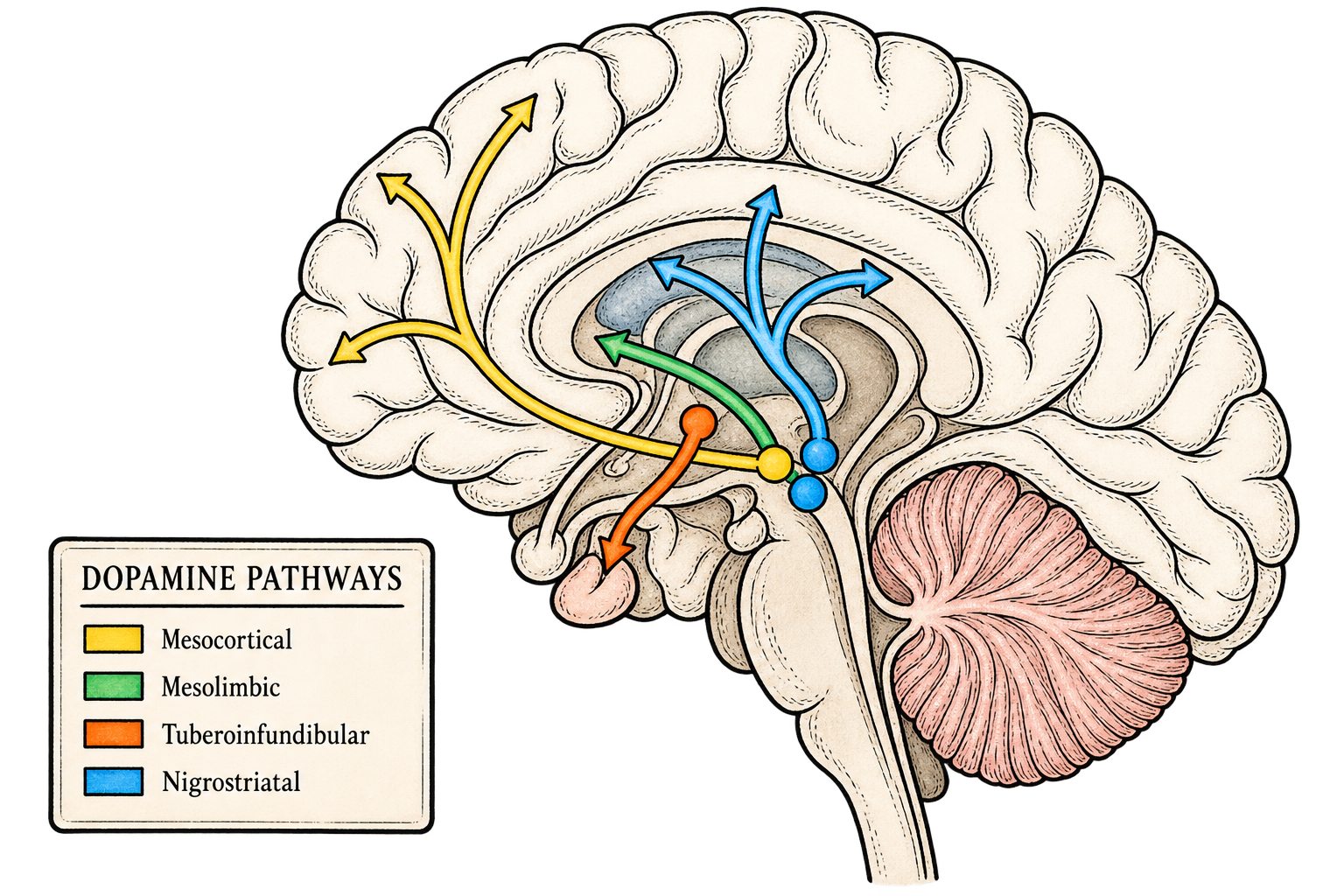
You really want to know the four major dopamine pathways.
The Four Dopamine Pathways
If you understand these four pathways, antipsychotic questions become much easier.
Mesolimbic Pathway
Think:
Too much dopamine → positive symptoms
The mesolimbic pathway is heavily involved in reward and salience and includes projections from the VTA toward limbic structures, including the nucleus accumbens.
Excess dopaminergic activity in this pathway is classically associated with the positive symptoms of schizophrenia, such as:
Hallucinations
Delusions
Paranoia
This helps explain why dopamine D2 blockade can reduce positive psychotic symptoms.
Board association:
Mesolimbic → positive symptoms
Mesocortical Pathway
Think:
Too little dopamine → negative and cognitive symptoms
The mesocortical pathway projects from the VTA toward areas of the cortex involved in cognition, motivation, and executive functioning.
Reduced dopamine activity here is classically associated with:
Flat or blunted affect
Avolition
Anhedonia
Poor concentration
Cognitive impairment
Board association:
Mesocortical → negative symptoms
The easiest way to keep the first two pathways straight is:
Mesolimbic = too much
Mesocortical = too little
At least in the classic board-level model of schizophrenia.
Nigrostriatal Pathway
The nigrostriatal pathway is involved in movement.
It travels from the substantia nigra into the striatum.
This pathway becomes especially important when you study antipsychotic adverse effects.
Block too much dopamine activity here and the patient may develop extrapyramidal symptoms, including:
Acute dystonia
Akathisia
Parkinsonism
Tardive dyskinesia with longer-term exposure
So if a board question gives you a patient who develops rigidity, tremor, restlessness, or abnormal movements after starting an antipsychotic, think about dopamine blockade in the nigrostriatal pathway.
Board association:
Nigrostriatal → movement → EPS
Tuberoinfundibular Pathway
This pathway is all about prolactin.
Dopamine normally inhibits prolactin secretion.
When dopamine is blocked in the tuberoinfundibular pathway, prolactin can rise.
That may result in:
Galactorrhea
Amenorrhea or menstrual irregularities
Gynecomastia
Sexual dysfunction
So if a patient starts an antipsychotic and later develops galactorrhea, the question is practically waving a flag at the tuberoinfundibular pathway.
Board association:
Tuberoinfundibular → prolactin
The Dopamine Pathways at a Glance
| Dopamine Pathway | Main Association | What to Remember |
|---|---|---|
| Mesolimbic | Positive symptoms | Excess dopamine |
| Mesocortical | Negative and cognitive symptoms | Reduced dopamine |
| Nigrostriatal | Movement | Dopamine blockade → EPS |
| Tuberoinfundibular | Prolactin | Dopamine blockade → increased prolactin |
If you memorize one neurotransmitter table for the PMHNP boards, make it this one.
Norepinephrine
Norepinephrine is strongly associated with:
alertness + attention + energy + stress
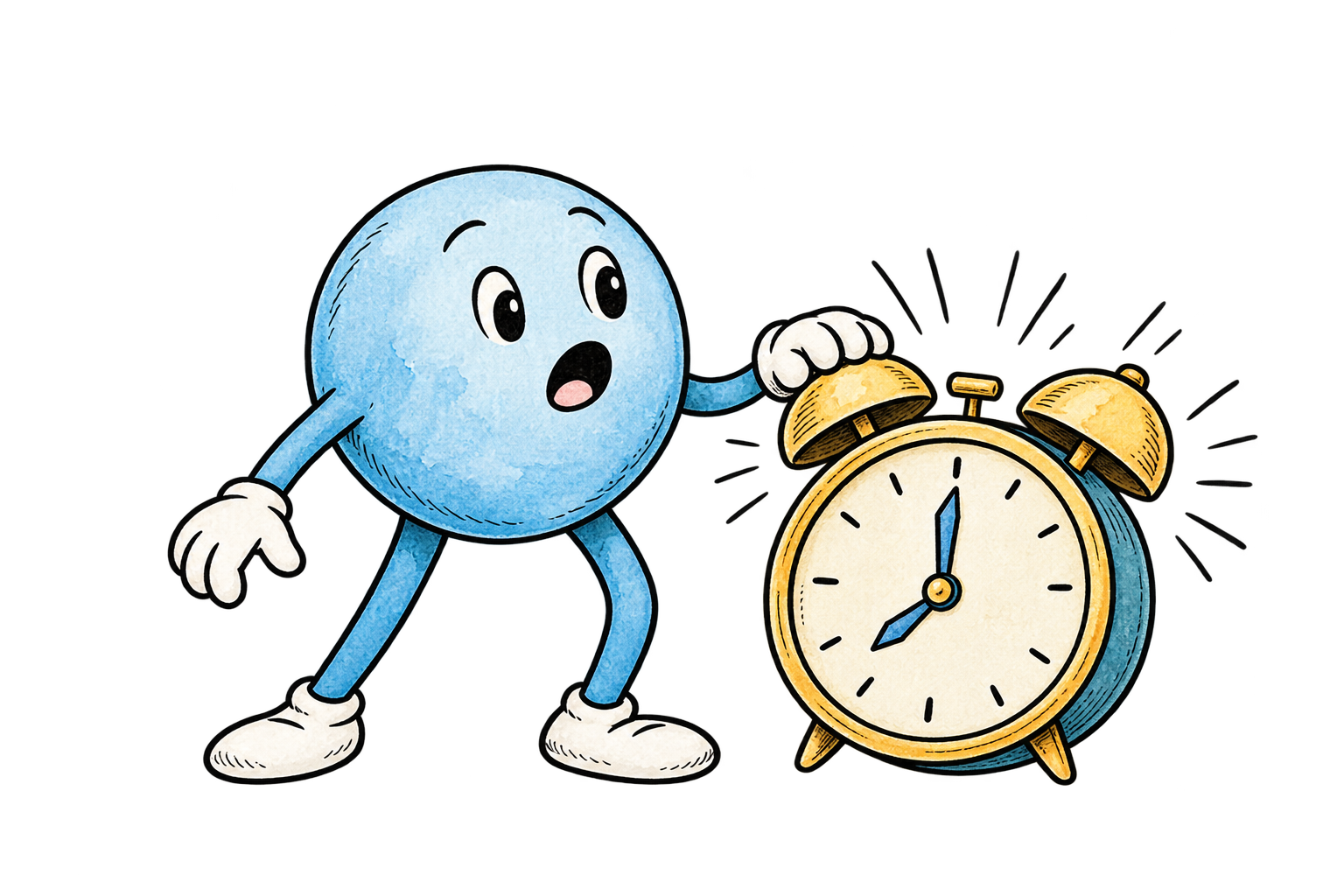
One of its major brain sources is the locus coeruleus in the brainstem.
When norepinephrine activity increases during stress, you become more alert and physiologically activated.
That can be useful when you need to respond to danger.
Too much activation, however, can contribute to symptoms such as:
Hyperarousal
Restlessness
Increased vigilance
Anxiety
Reduced norepinephrine signaling is associated in classic psychiatric models with:
Low energy
Poor concentration
Reduced alertness
Depressive symptoms
This is one reason medications that increase both serotonin and norepinephrine, such as SNRIs, can affect mood as well as energy and concentration.
Norepinephrine and the Stress Response
The locus coeruleus is closely connected with the brain's arousal and stress systems.
When the brain detects a threat, stress signaling can increase norepinephrine activity.
Clinically, think about the patient who feels:
wired, tense, hyperalert, and unable to settle down
Norepinephrine is one system that may be involved.
For boards, the simple association is:
Norepinephrine = alertness and energy
Serotonin
Serotonin affects a wide range of functions, including:
Mood
Anxiety
Sleep
Appetite
Pain perception
Sexual functioning
Major serotonergic neurons originate in the raphe nuclei of the brainstem.
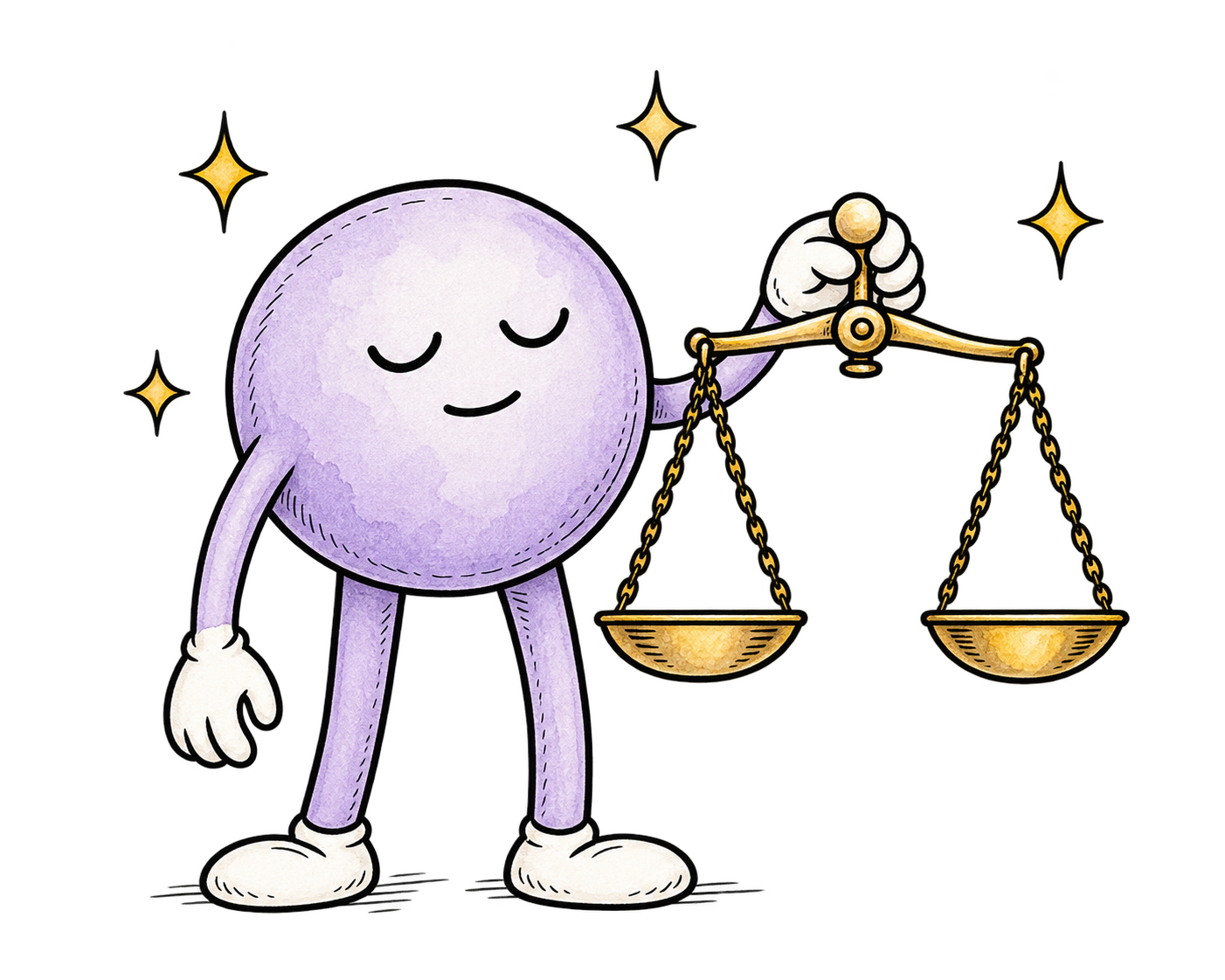
For board review, serotonin is commonly associated with depression, anxiety disorders, and obsessive-compulsive symptoms, which is one reason medications that increase serotonergic signaling are used across several psychiatric diagnoses.
But again, do not reduce those disorders to "low serotonin."
Think of serotonin as one part of a much larger system.
What About Too Much Serotonin?
This is where serotonin becomes especially testable.
Excessive serotonergic activity, usually related to medications or drug interactions, can cause serotonin syndrome.
Watch for the classic combination of:
Mental status changes
Autonomic instability
Neuromuscular hyperactivity
Clonus, hyperreflexia, agitation, diaphoresis, tremor, and hyperthermia should get your attention.
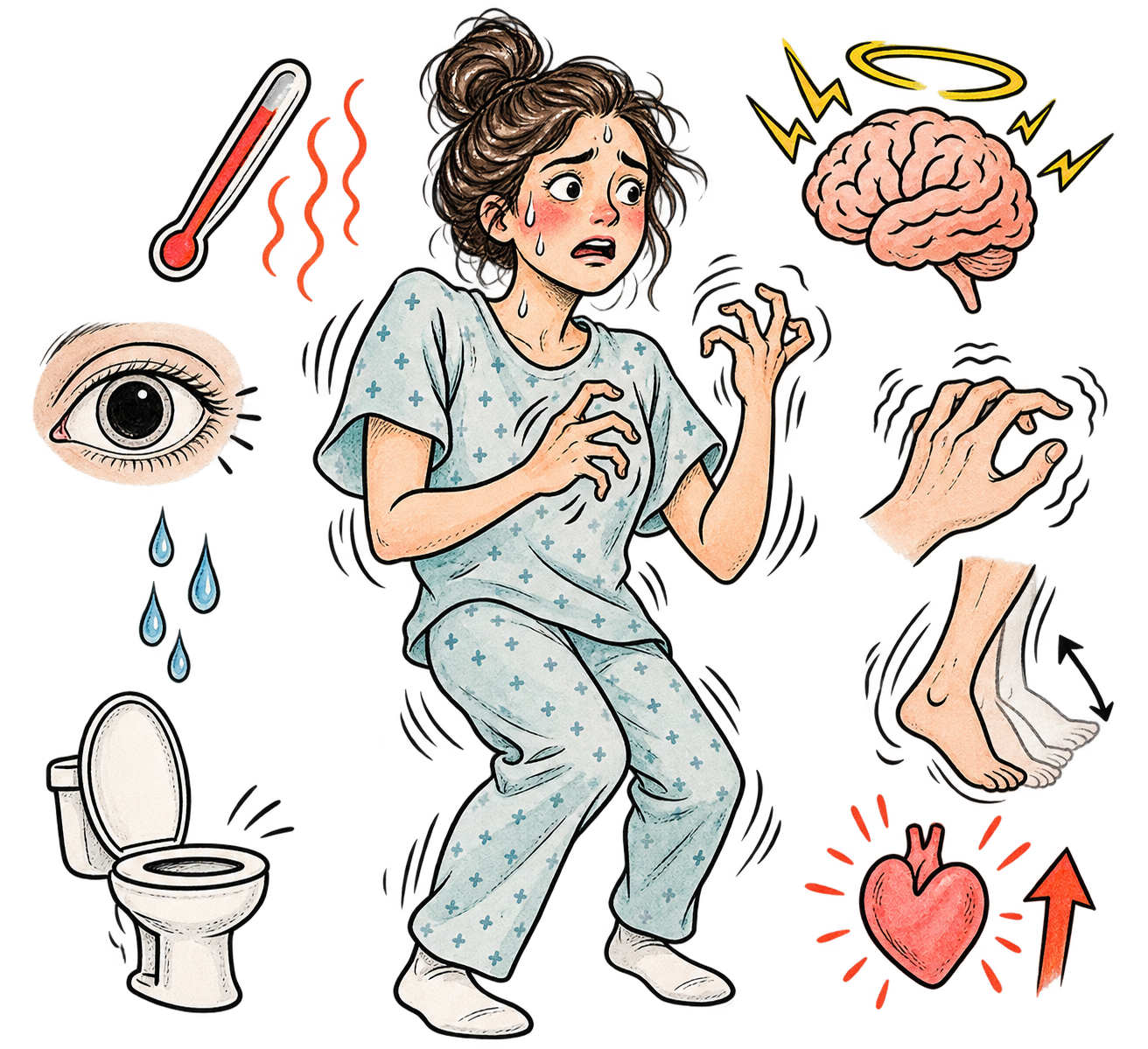
The important distinction is that serotonin syndrome is not simply someone walking around with "high serotonin."
It is a potentially life-threatening medication-related state of excessive serotonergic activity.
That is exactly the kind of distinction the boards may expect you to recognize.
Know Where the Monoamines Come From
This is a small amount of memorization that is actually worth doing.
Dopamine → VTA and substantia nigra
Norepinephrine → locus coeruleus
Serotonin → raphe nuclei
These structures connect your neurotransmitter review to neuroanatomy, which is why knowing both topics together makes more sense than memorizing them separately.
GABA
If you remember one thing about GABA:
GABA is the brain's brake pedal.
GABA is the major inhibitory neurotransmitter in the central nervous system.
Its job is to decrease neuronal excitability.
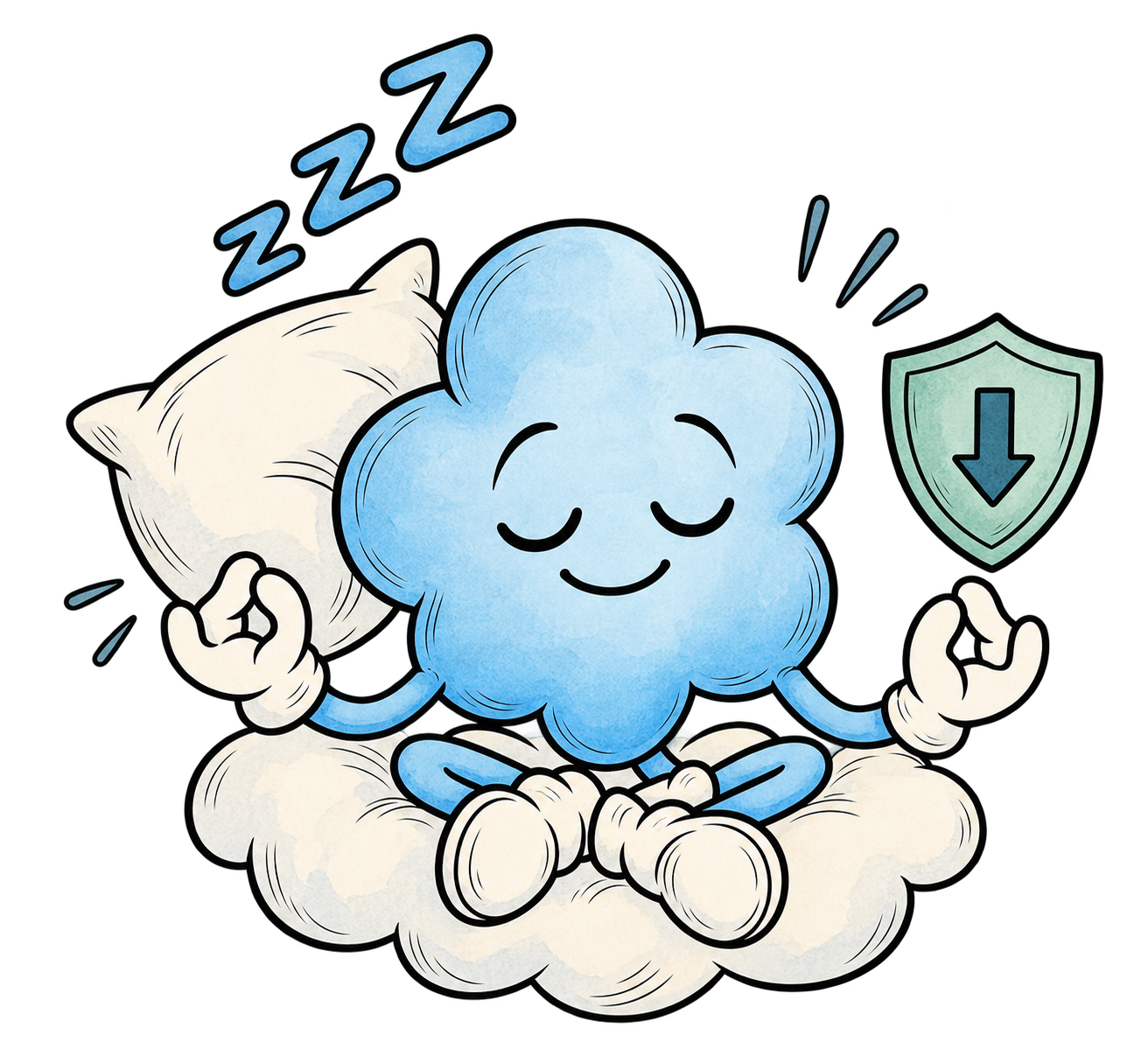
Think:
calm + sleep + inhibition + seizure control
Reduced inhibitory signaling can contribute to excessive neural activity, which is why GABA is relevant to:
Anxiety
Insomnia
Seizures
This also helps explain how benzodiazepines work.
Benzodiazepines enhance the effect of GABA at GABA-A receptors, increasing inhibitory signaling.
That produces predictable effects such as:
Anxiolysis
Sedation
Muscle relaxation
Anticonvulsant activity
Once you understand the neurotransmitter, you do not have to memorize those medication effects as four completely unrelated facts.
They all come back to increased inhibition.
Glutamate
If GABA is the brake pedal, glutamate is the gas pedal.
Glutamate is the major excitatory neurotransmitter in the central nervous system.
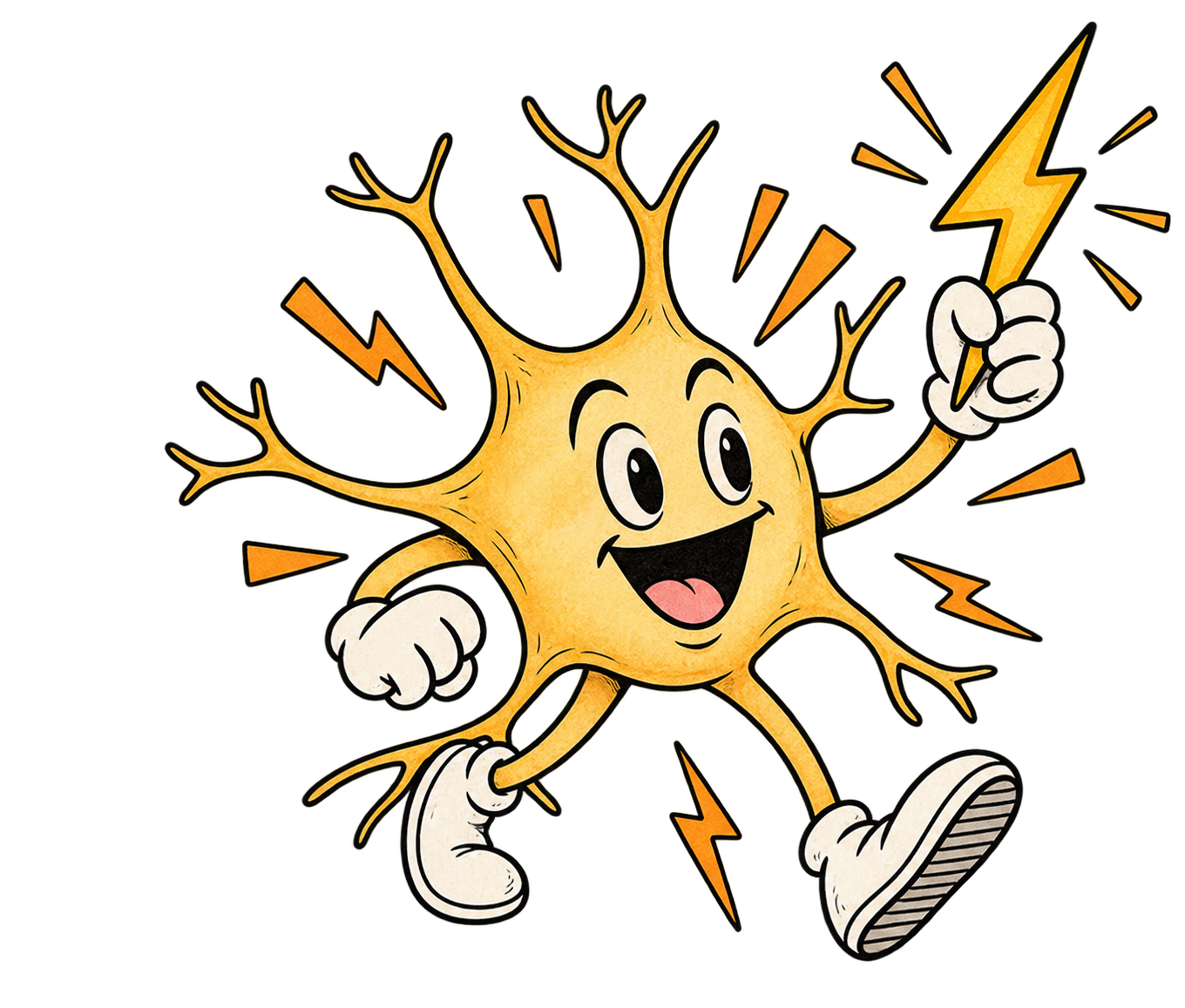
It is heavily involved in:
Learning
Memory
Neural plasticity
Brain activation
When excitatory signaling becomes excessive, neurons can become overstimulated.
At extreme levels, excessive glutamatergic activity can contribute to excitotoxicity, meaning neuronal injury caused by excessive excitation.
For the boards, the easiest pairing is:
GABA = inhibitory
Glutamate = excitatory
If you reverse those two, you can miss questions that otherwise would have been easy.
Acetylcholine
Acetylcholine is especially important for:
memory + learning + attention
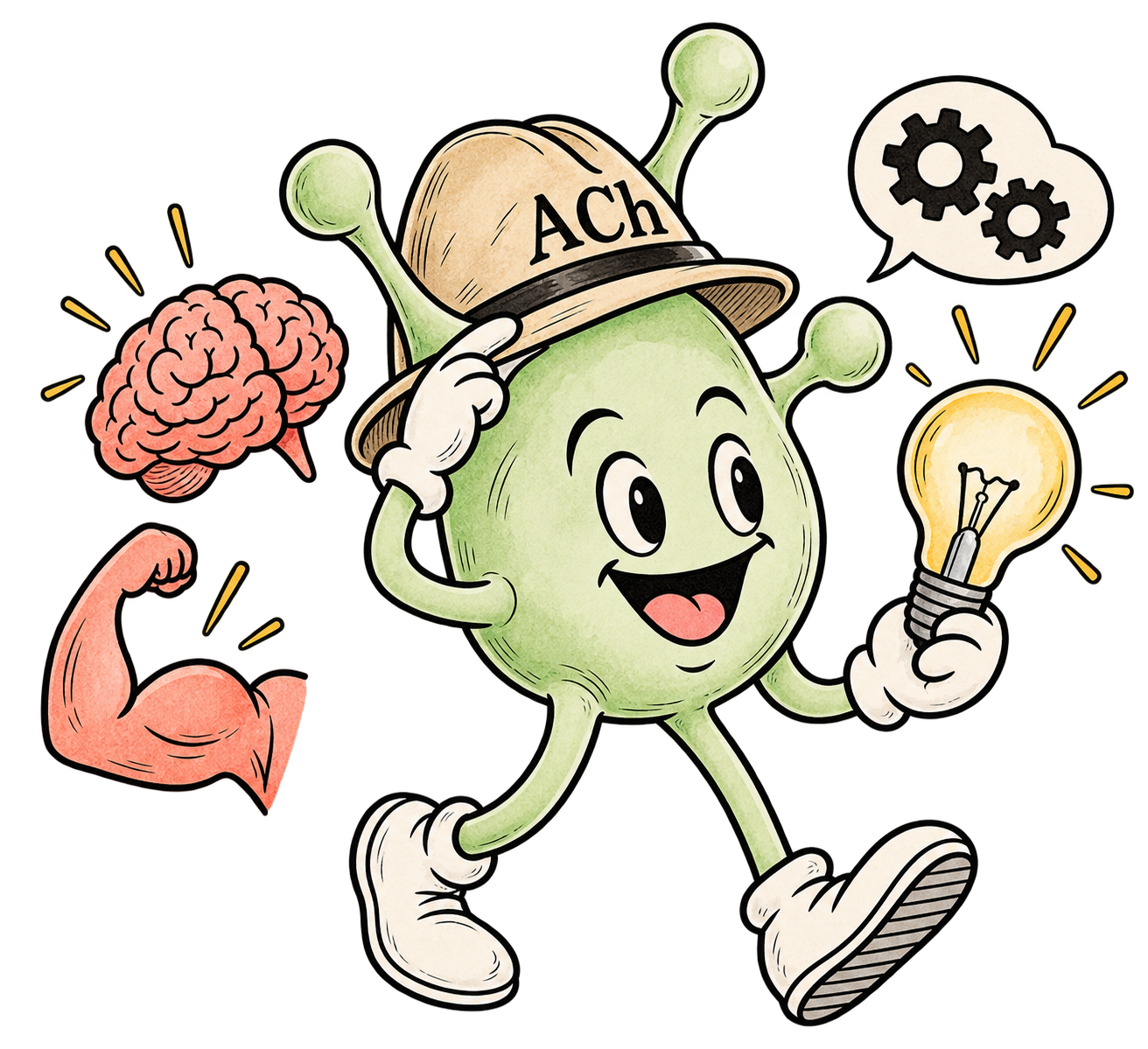
An important cholinergic region involved in cognition is the nucleus basalis of Meynert in the basal forebrain.
Cholinergic dysfunction is associated with the cognitive impairment seen in Alzheimer's disease.
That connection helps explain why medications such as cholinesterase inhibitors are used in Alzheimer's disease: they reduce the breakdown of acetylcholine and increase its availability.
The other side of the equation is just as important.
Anticholinergic medications block acetylcholine activity.
That can cause:
Dry mouth
Constipation
Urinary retention
Blurred vision
Cognitive impairment
Confusion
Older adults are particularly vulnerable to cognitive effects.
So if the boards give you an older patient who becomes newly confused after a medication change, look at whether an anticholinergic medication was added.
Board association:
Alzheimer's → reduced cholinergic function
New confusion after a medication → consider anticholinergic burden
Histamine
Histamine helps regulate:
Wakefulness
Appetite
Sleep-wake rhythms
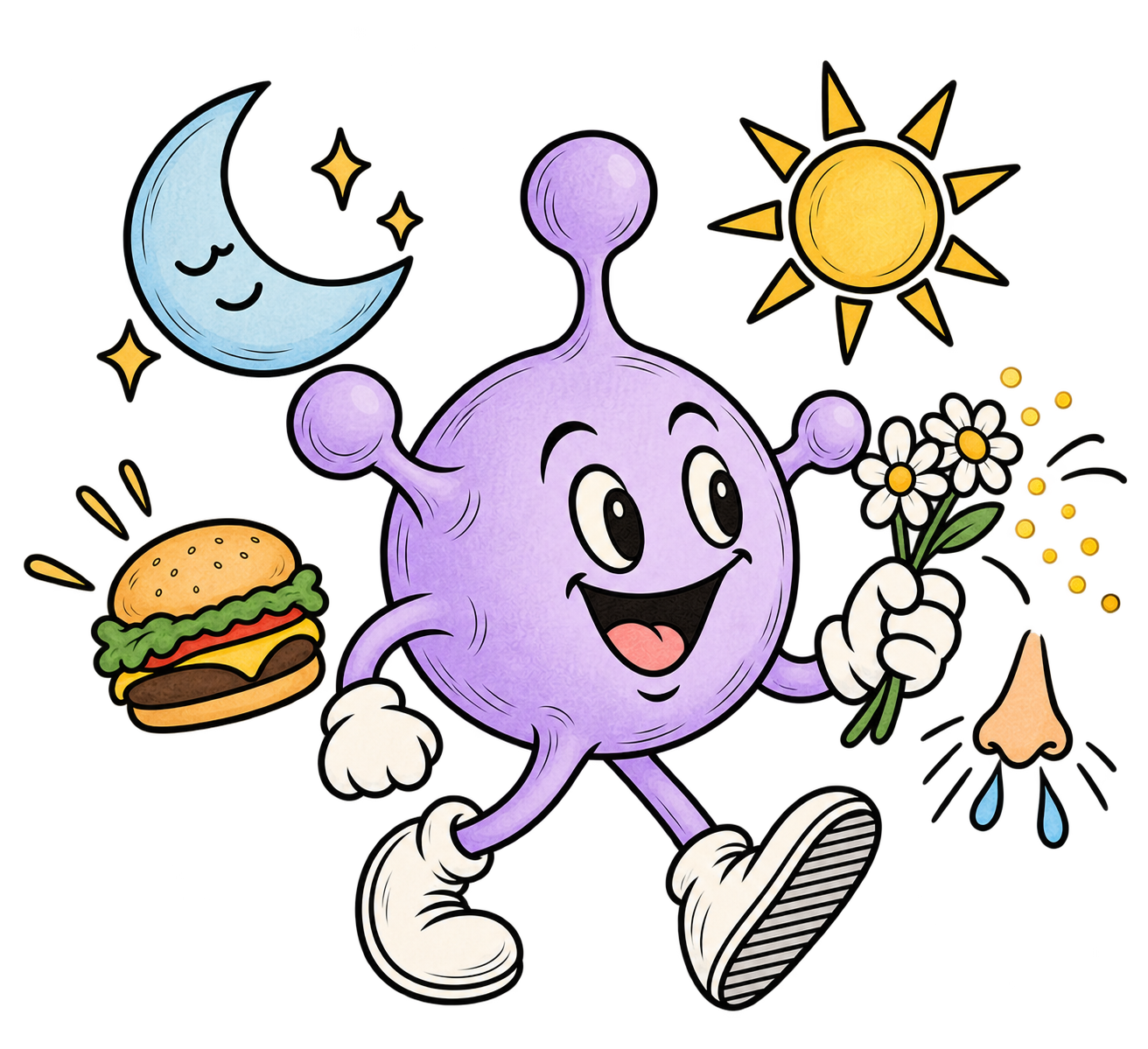
For PMHNP board prep, the most useful thing to know is what happens when medications block H1 histamine receptors.
Think:
H1 blockade → sedation + increased appetite/weight gain
This is relevant because several psychiatric medications have antihistaminic properties.
If a patient becomes extremely sleepy or gains weight after starting a medication, histamine blockade may be part of the explanation.
Again, understanding the receptor makes the side effect easier to remember.
Endogenous Opioids
The body also produces its own opioid peptides, including endorphins.
These systems are involved in:
Pain modulation
Reward
Stress regulation
You generally do not need to spend nearly as much time on endogenous opioids as you do on dopamine, serotonin, norepinephrine, GABA, or glutamate for basic PMHNP board review.
Know the broad function and move on.
How Neurotransmitters Connect to Psychopharmacology
This is where memorizing neurotransmitters starts to pay off.
Psychiatric medications are not random lists of drugs and side effects.
Their effects make more sense when you connect them back to neurotransmitter systems.
For example:
D2 blockade in the mesolimbic pathway
→ decreases positive psychotic symptomsD2 blockade in the nigrostriatal pathway
→ can cause EPSD2 blockade in the tuberoinfundibular pathway
→ can increase prolactinIncreasing GABA activity
→ increases inhibition and can produce sedation and anxiolysisBlocking H1 receptors
→ can produce sedation and weight gainBlocking muscarinic acetylcholine receptors
→ can produce anticholinergic effects
Now the medication's therapeutic effect and side effects start to look like different consequences of the same pharmacology.
If you keep mixing up what the medication does at the receptor versus what the patient's body does to the medication, review pharmacokinetics vs. pharmacodynamics for the PMHNP exam.
What the ANCC Actually Tests About Neurotransmitters
You are unlikely to benefit from memorizing a massive chart of every neurotransmitter and every receptor subtype.
Instead, focus on the patterns that can be applied to a clinical question.
1. Neurotransmitter and Symptom Associations
A question may give you symptoms and ask which neurotransmitter is most closely associated.
For example:
Hallucinations and delusions
→ think mesolimbic dopamine activity
Low motivation and flat affect
→ think mesocortical dopamine activity
Anxiety and hyperarousal
→ think about norepinephrine and inhibitory systems such as GABA
Cognitive decline
→ think acetylcholine
2. Medication Side Effects
Some of the highest-yield neurotransmitter questions are really medication questions.
A patient develops:
Rigidity after an antipsychotic
→ nigrostriatal dopamine blockade
Galactorrhea after an antipsychotic
→ tuberoinfundibular dopamine blockade
Sedation and weight gain
→ consider H1 blockade
Dry mouth and confusion
→ consider anticholinergic effects
Rather than memorizing every adverse effect separately, connect the symptom to the receptor or pathway.
3. Neurotransmitter Origins
Know the big three:
Dopamine → VTA/substantia nigra
Norepinephrine → locus coeruleus
Serotonin → raphe nuclei
These are simple facts that connect neuroanatomy with psychopharmacology.
4. Excitation vs. Inhibition
This is an easy distinction to test.
GABA = inhibitory
Glutamate = excitatory
Do not overcomplicate it.
5. Recognizing Emergencies
Neurotransmitter questions can also show up through medication emergencies.
Excess serotonergic activity should make you think about serotonin syndrome.
Severe dopamine blockade combined with rigidity, hyperthermia, autonomic instability, and altered mental status should raise concern for neuroleptic malignant syndrome.
At that point, the question is no longer just asking whether you memorized a neurotransmitter.
It is asking whether you recognize a potentially dangerous clinical pattern.
Common Neurotransmitter Exam Traps
Trap 1: Treating Every Disorder Like a Single Chemical Deficiency
Depression does not simply equal "low serotonin."
Anxiety does not simply equal "low GABA."
Schizophrenia does not simply equal "high dopamine everywhere."
Use these associations as board-level frameworks, but pay attention to the specific pathway and clinical context.
Trap 2: Mixing Up the Dopamine Pathways
Remember:
Mesolimbic → positive symptoms
Mesocortical → negative symptoms
Nigrostriatal → movement/EPS
Tuberoinfundibular → prolactin
If you know those four, you have already covered a lot of high-yield psychopharmacology.
Trap 3: Reversing GABA and Glutamate
GABA slows things down.
Glutamate excites.
That is the distinction.
Trap 4: Assuming Every Medication Side Effect Is Random
If you know which receptor the medication blocks or activates, many side effects become predictable.
That is why learning neurotransmitters first makes later psychopharmacology easier.
Test Yourself
Scenario 1
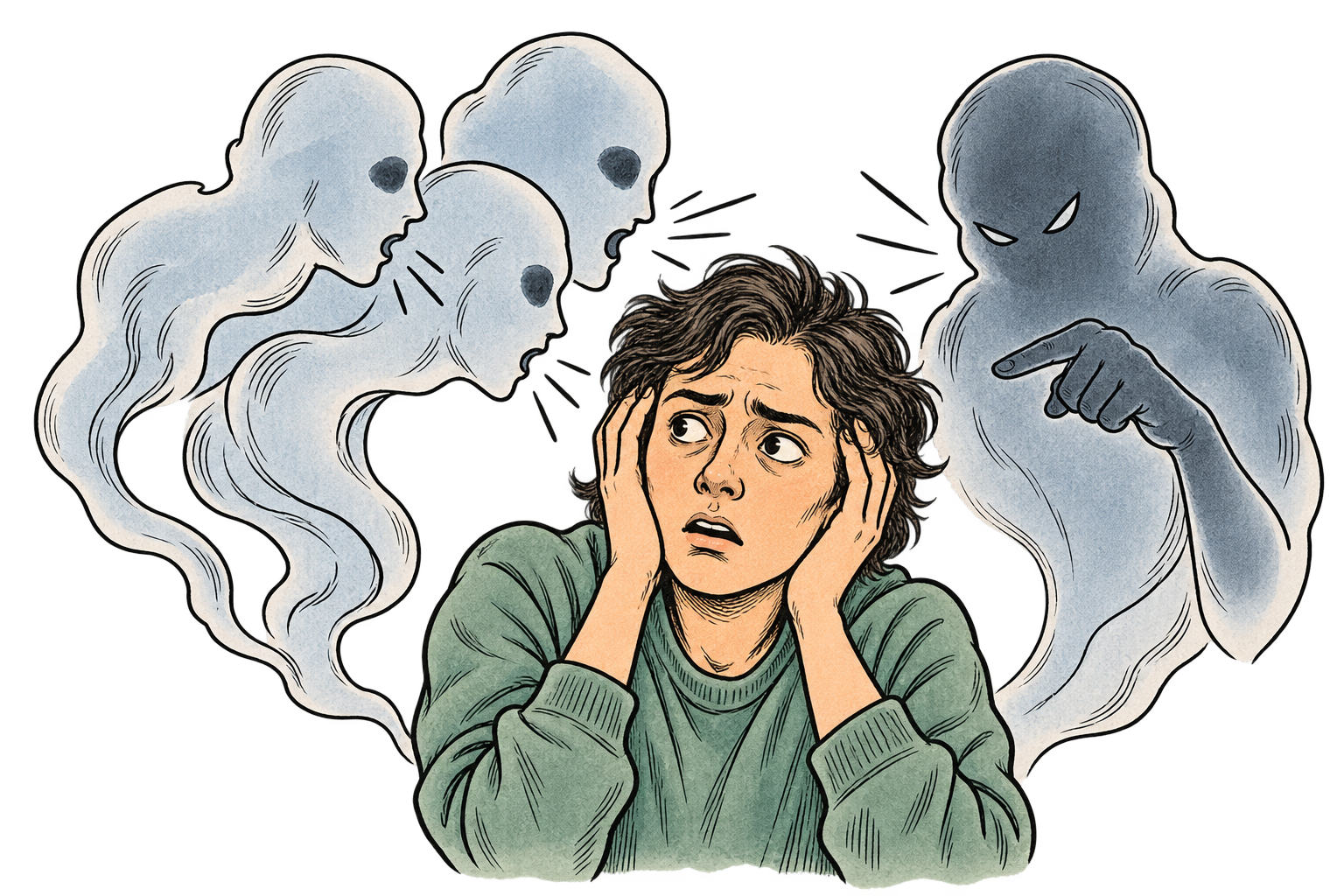
A patient with schizophrenia has hallucinations and paranoid delusions.
Which dopamine pathway is most closely associated with these symptoms?
Answer: Mesolimbic pathway.
Positive psychotic symptoms are classically associated with increased mesolimbic dopamine activity.
Scenario 2
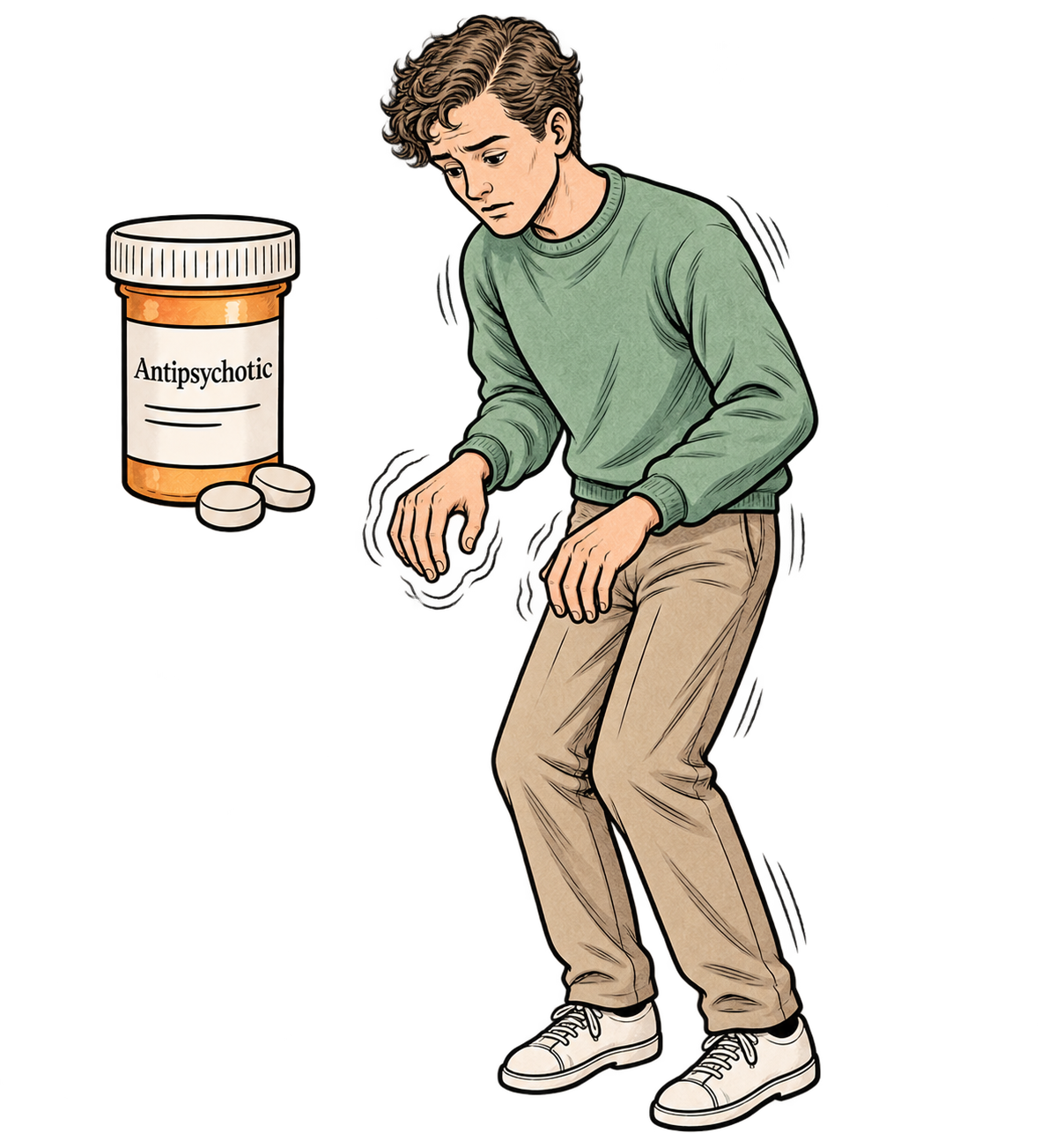
A patient develops tremor and rigidity after starting a dopamine-blocking antipsychotic.
Which pathway is involved?
Answer: Nigrostriatal pathway.
This pathway helps regulate movement, and dopamine blockade can produce extrapyramidal symptoms.
Scenario 3
A patient develops galactorrhea after starting an antipsychotic.
Which neurotransmitter effect best explains this?
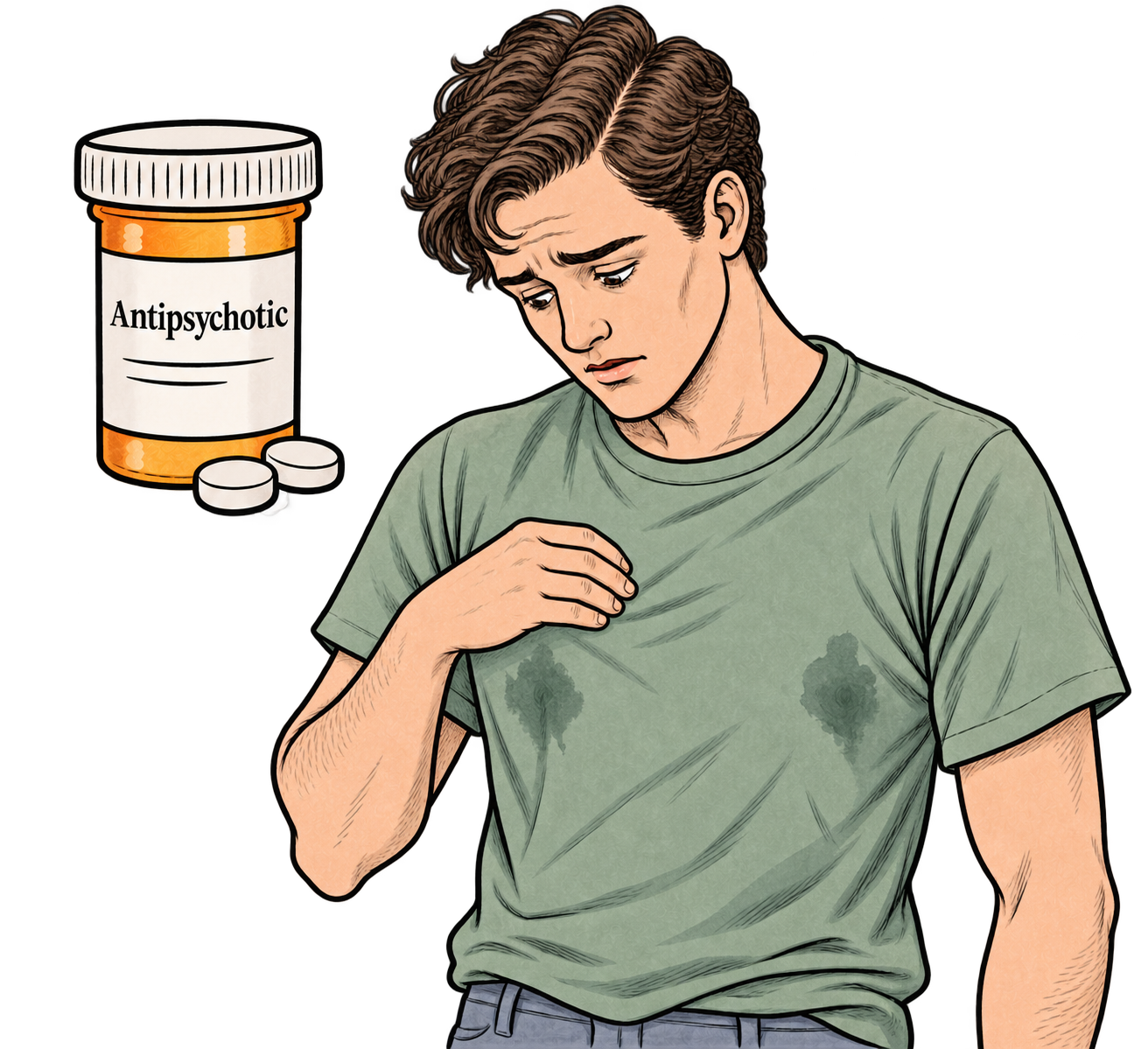
Answer: Dopamine blockade in the tuberoinfundibular pathway.
Dopamine normally inhibits prolactin release.
Scenario 4
Which neurotransmitter is the major inhibitory neurotransmitter in the central nervous system?
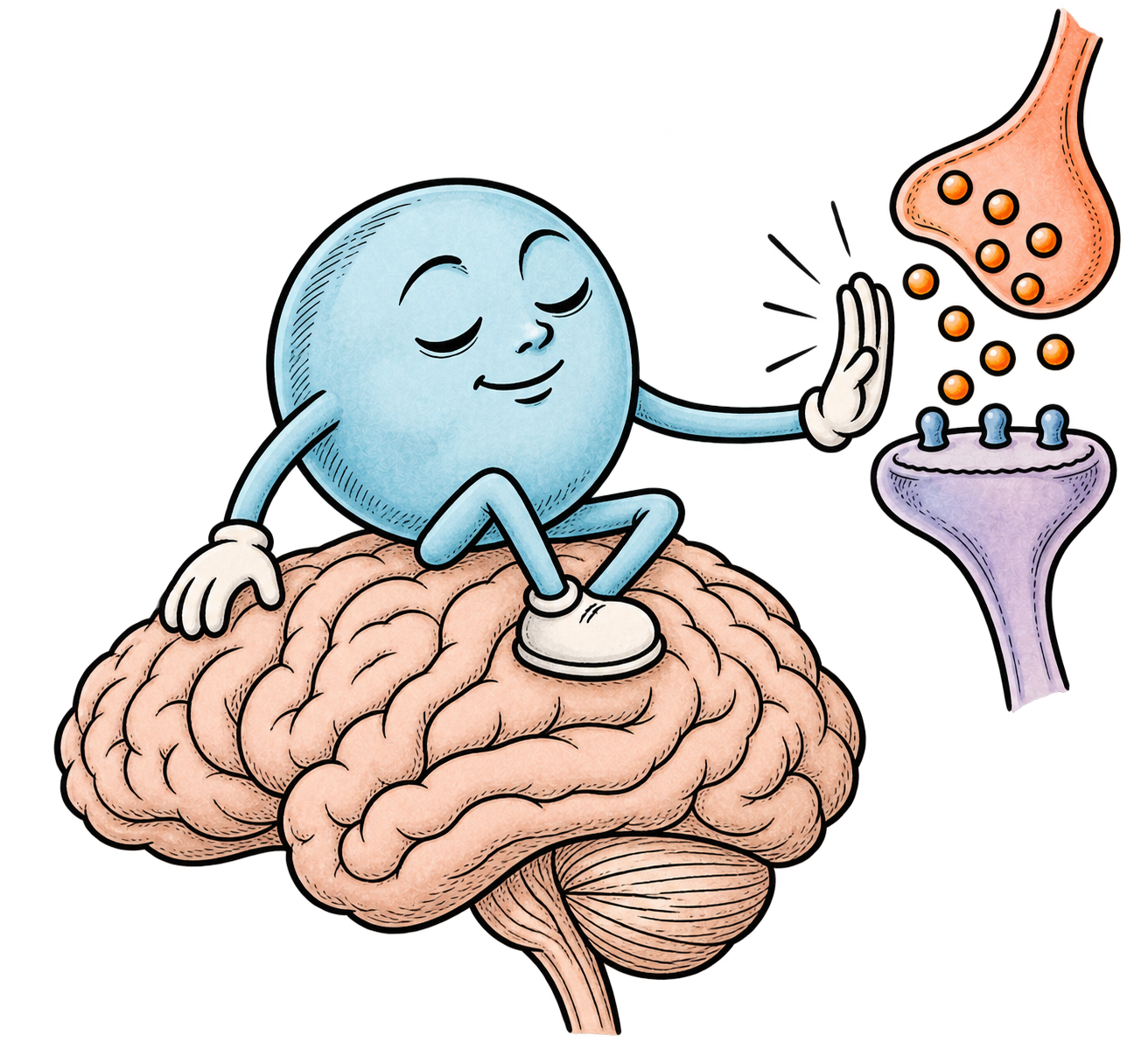
Answer: GABA.
Scenario 5
An older adult develops confusion, dry mouth, constipation, and urinary retention after a medication change.
Which neurotransmitter system should you think about?
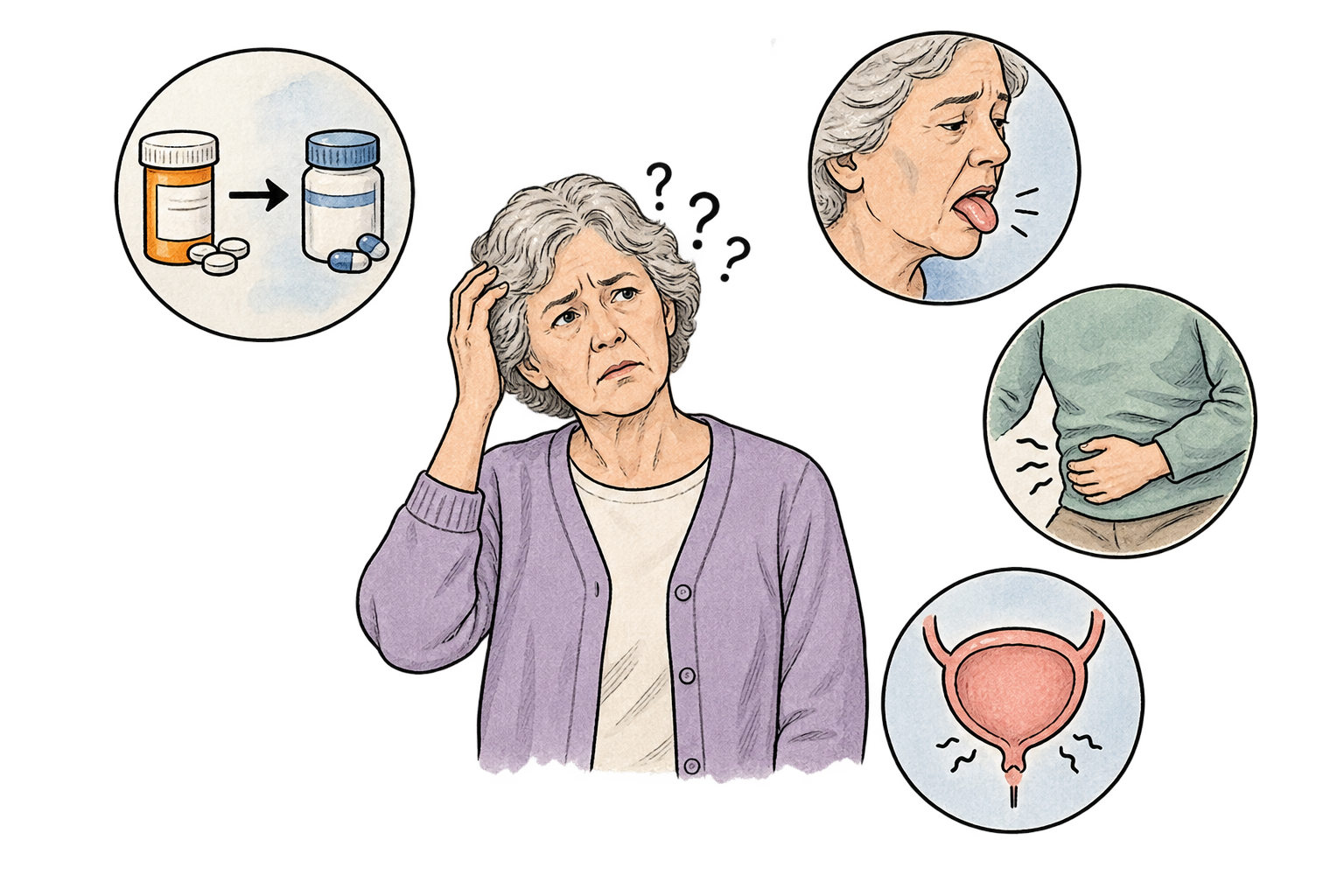
Answer: Acetylcholine.
The symptoms suggest anticholinergic effects.
Scenario 6
A patient develops sedation and increased appetite after starting a psychiatric medication.
Which receptor effect may be contributing?
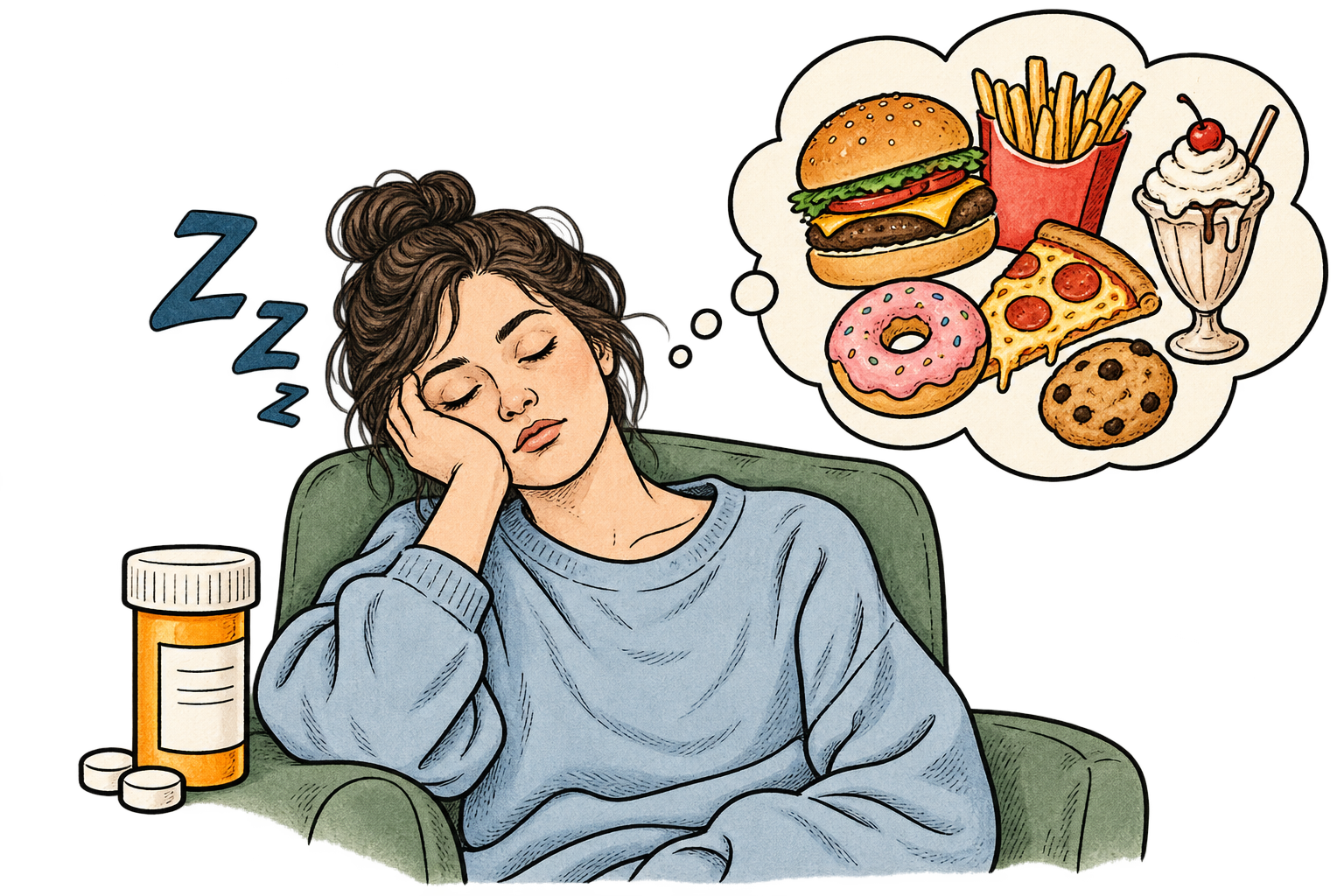
Answer: H1 histamine receptor blockade.
The Takeaway
You do not need to know every neurotransmitter in the brain for the PMHNP boards.
Know the ones that repeatedly connect to psychiatric symptoms and medications:
Dopamine → reward, motivation, psychosis, movement, prolactin
Norepinephrine → energy, attention, arousal, stress
Serotonin → mood, anxiety, sleep, appetite
GABA → inhibition
Glutamate → excitation
Acetylcholine → memory and cognition
Histamine → wakefulness, appetite, sedation
Then go one step further.
Ask yourself:
Which pathway explains the symptom?
Which receptor explains the side effect?
Which medication mechanism changes that neurotransmitter?
That is much more useful than memorizing isolated facts.
If you are building out your board-prep schedule, work neurotransmitters and neuroanatomy into the foundational part of your 8-week PMHNP study plan rather than trying to memorize them the week before your exam.
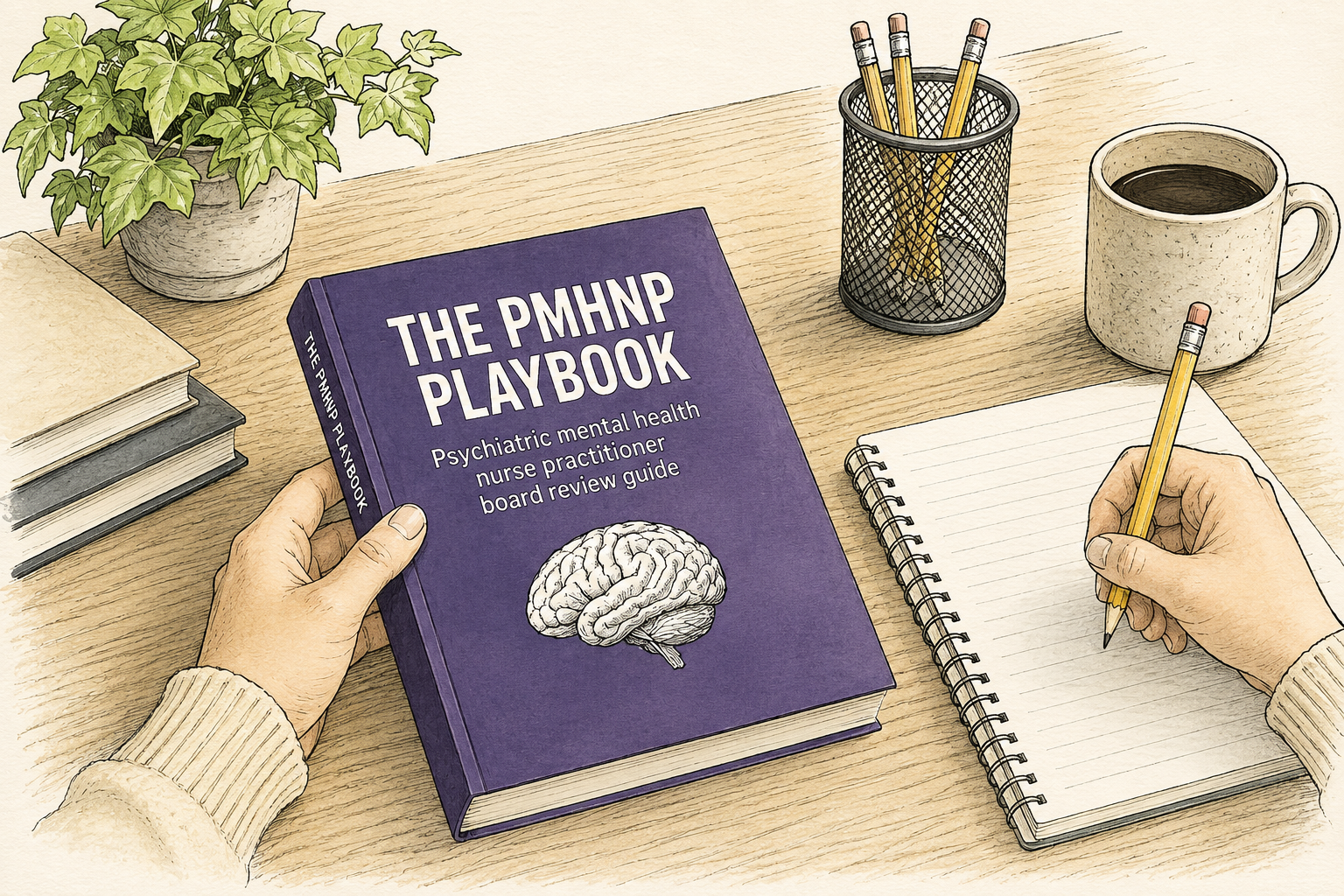
For the full high-yield breakdown of neurotransmitters, neuroanatomy, psychopharmacology, medication side effects, and the rest of the ANCC content outline, it is all organized in The PMHNP Playbook.
Prefer digital? Buy the PDF edition
