By Aislinn Ozawa Burns, MSN, PMHNP-BC
If you've been studying substance use disorders for the boards, you've probably noticed there are a lot of screening tools with a lot of overlapping letters. CAGE, CAGE-AID, AUDIT, DAST-10, CRAFFT. It's easy to blur them together, and that's exactly what the exam is counting on.
Here's the good news. Once you understand what each tool actually screens for and who it's designed for, the questions get a lot easier to pick apart.
Part of why these tools show up so often on the boards is that substance use history isn't a separate topic you screen for occasionally, it's a routine part of every psychiatric interview, regardless of the presenting complaint. Let's break down what each tool actually does.
CAGE: The Classic Alcohol Screen for Adults
CAGE is the tool you'll see most often on the boards, and it's the one most people already know. It's four quick questions, and the acronym tells you exactly what they ask about.
Cut down: felt the need to reduce drinking
Annoyed: been annoyed by criticism about drinking
Guilty: felt guilty about drinking
Eye-opener: needed a drink first thing in the morning
A score of 2 or higher is clinically significant.
CAGE screens for alcohol only, in adults. If a question mentions both alcohol and other substances, CAGE isn't the answer on its own, you'd be looking at CAGE-AID instead, which uses the same four questions but applies them to alcohol and drugs together, with the same scoring.
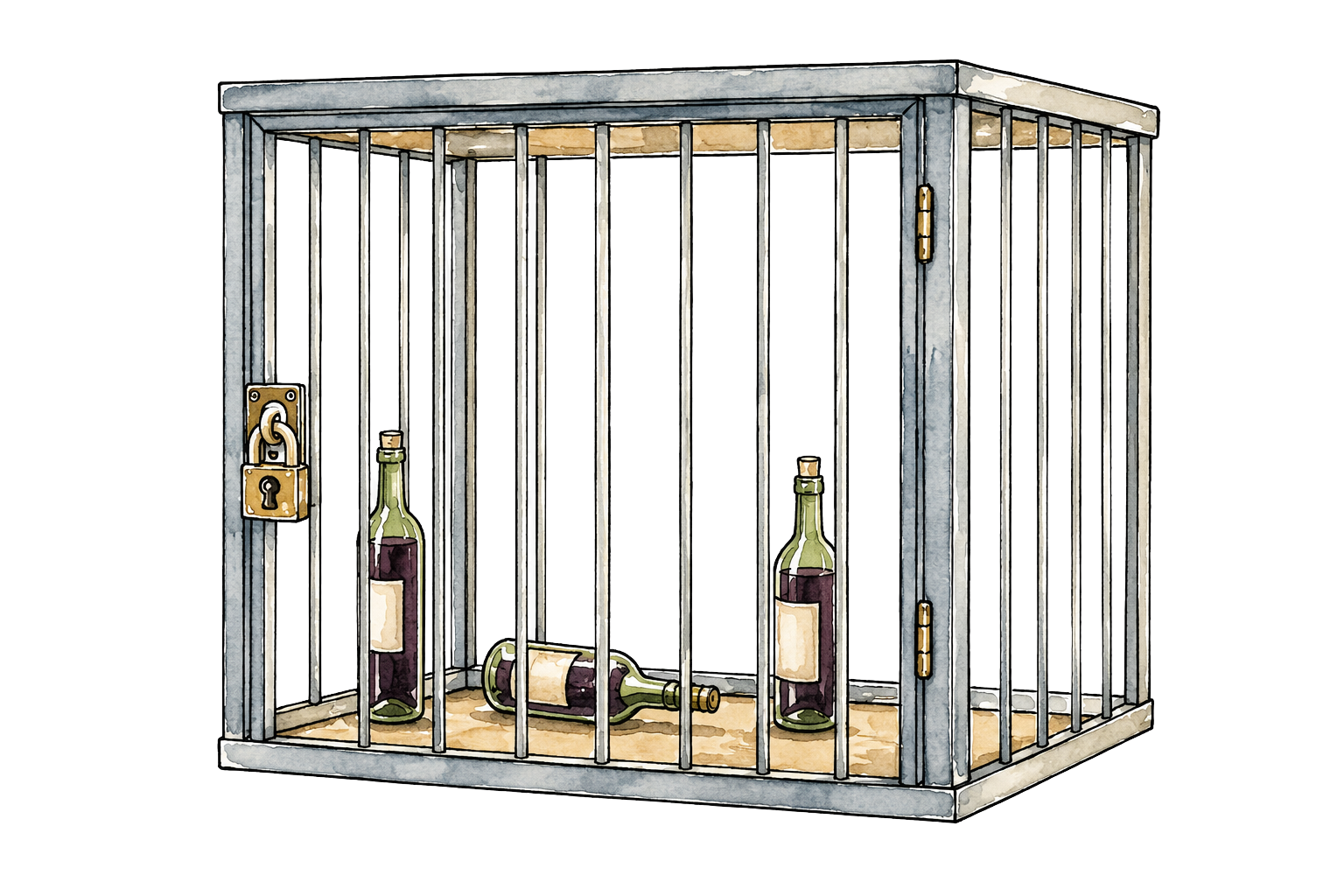
Memory cue: picture someone CAGEd by their drinking.
AUDIT: The Alcohol Screen You'll See Less Often, But Still Need to Know
AUDIT (Alcohol Use Disorders Identification Test) also screens for alcohol use, but it's a longer, more detailed tool than CAGE. It was developed by the WHO and covers consumption patterns, dependence symptoms, and alcohol-related harm, not just four yes/no questions.
On the exam, AUDIT tends to show up as a distractor option rather than the star of the question. If you see a question describing a quick four-item screen, that's CAGE, not AUDIT. AUDIT is the more comprehensive alcohol-specific tool, and it's worth recognizing by name even if you're not memorizing every item on it.
Bottom line: AUDIT = alcohol, more detailed than CAGE.
DAST-10: The Drug Equivalent of AUDIT
DAST-10 (Drug Abuse Screening Test) is essentially AUDIT's counterpart for drug use. Where AUDIT is alcohol-specific, DAST-10 screens for drug use specifically, not alcohol.
This is the detail that trips people up. If a question is testing whether you can match the tool to the substance, remember that DAST-10 stays in its lane. It doesn't cover alcohol, and it isn't the tool you'd reach for when alcohol and drug use are both in the picture. That combined situation is what CAGE-AID or CRAFFT are for, depending on the patient's age.
Putting It All Together
Here's the fastest way to keep these straight when you're moving quickly through practice questions.
CAGE: alcohol only, adults, four questions
CAGE-AID: alcohol and drugs, adults, same four questions
AUDIT: alcohol only, more detailed than CAGE
DAST-10: drugs only, adults
CRAFFT: alcohol and drugs, adolescents under 21

Notice the pattern. Every tool on this list answers two questions: which substance, and which age group. Once you find those two answers in the question stem, the correct tool usually falls right out.
A Quick Way to Practice This
Next time you're doing practice questions, don't just look for the right answer. Look for what the question is trying to get you to confuse it with. If you see CAGE as an option next to a stem describing drug use in an adolescent, you'll know immediately it's a distractor, because CAGE doesn't cover drugs and it wasn't designed for teens.
That's the real skill being tested here. Not memorization for its own sake, but knowing the boundaries of each tool well enough to catch when a question is testing the wrong one on purpose.
It's also worth remembering that these screening results don't exist in isolation. Intoxication and withdrawal can shift findings on the mental status exam, so a positive screen should always prompt you to look closely at what's happening clinically in front of you, not just what the questionnaire score says.
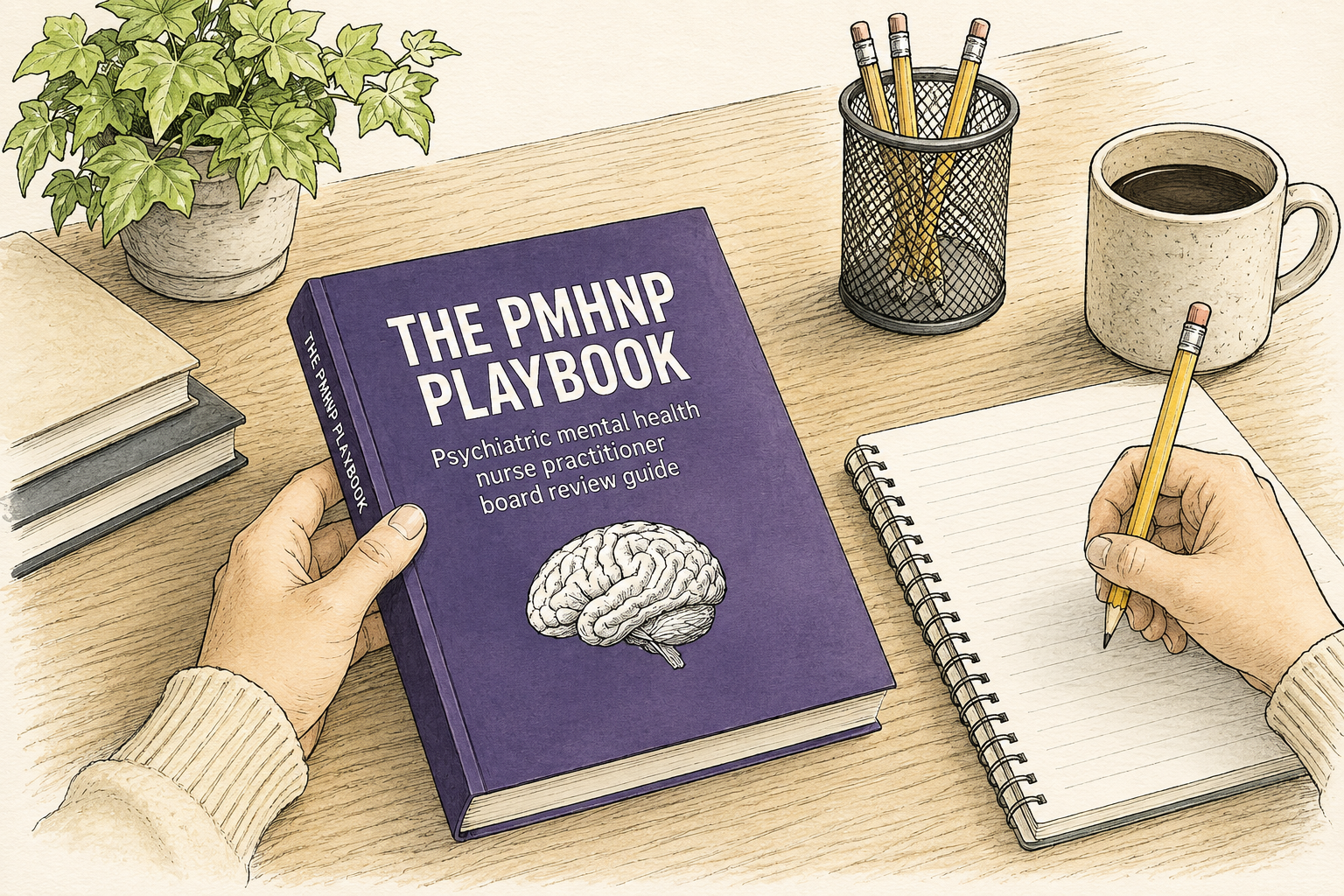
Want the full breakdown of alcohol use disorder, from withdrawal management to CIWA-AR scoring to the neurobiology of addiction? That's all covered in The PMHNP Playbook, along with the rest of the substance use and addiction disorders content you'll need for the exam.
Prefer digital? Buy the PDF edition
