
By Aislinn Ozawa Burns, MSN, PMHNP-BC
Here's a scenario you'll see constantly on the boards and in practice. A client tells you they know their drinking is a problem, but it also helps them relax. Your instinct might be to jump in with the health risks, the consequences, the reasons they should quit. Resist that instinct. That's exactly the wrong move, and it's exactly what motivational interviewing questions are testing.
This scenario usually shows up right after a positive screen. Once a tool like CAGE or AUDIT flags a possible problem, the next step isn't a lecture, it's a conversation. That conversation is where MI comes in.
What Motivational Interviewing Actually Is
Motivational interviewing (MI) is a collaborative approach used when a client feels ambivalent about change. It was originally developed for substance use disorders, but you'll now see it applied to medication adherence, smoking cessation, and lifestyle changes tied to chronic illness.
The core idea is simple. You're not trying to convince the client of anything. You're helping them explore their own reasons for change, at their own pace. Motivation has to come from the client, not from you.
MI and the Transtheoretical Model Go Together
MI is grounded in the Transtheoretical Model of Change, which you've probably already studied. That model recognizes that people move through stages of readiness rather than flipping a switch and changing all at once.
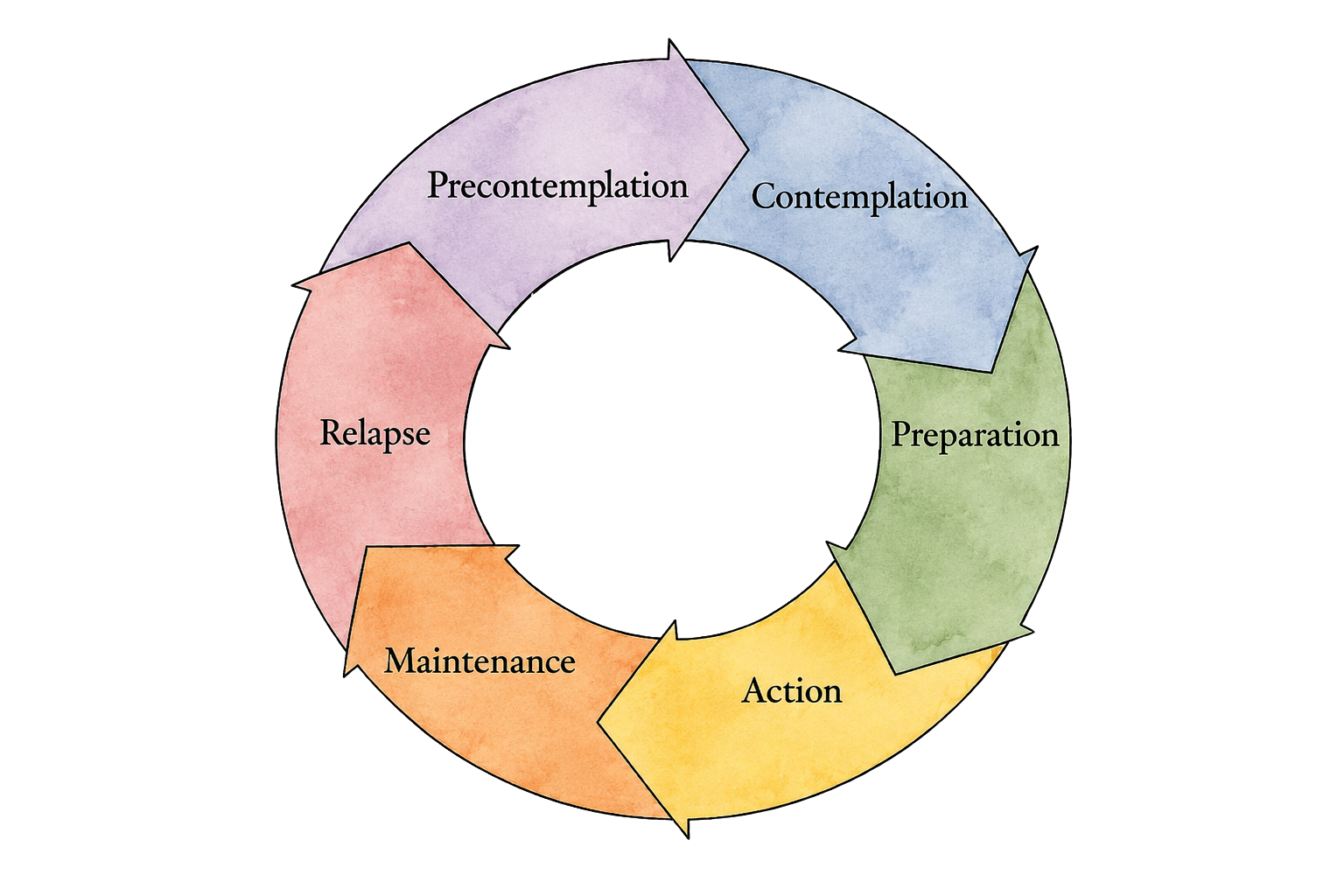
Precontemplation: not considering change, needs awareness, not pressure
Contemplation: aware of the problem but ambivalent, needs exploration of pros and cons
Preparation: intends to act soon, needs realistic goal setting
Action: actively changing, needs encouragement and skill-building
Maintenance: sustaining change, needs relapse prevention support
Relapse: a return to old behavior, needs reflection and re-engagement, not shame
This matters for MI because a client in contemplation, the one who says "I know drinking is a problem, but it helps me relax," is not ready for an action plan. They're ready to explore ambivalence. MI meets them exactly there.
So, if you see a question describing a client in precontemplation and the correct answer involves setting goals or building a treatment plan, that's a trap. Precontemplation calls for raising awareness, not action.
The Stance: Collaborative, Not Confrontational
In MI, you're not the expert handing down a directive. You're a collaborator. The relationship is empathetic and non-confrontational, even when the client says something that goes against everything you'd recommend clinically.
When a client pushes back, you don't argue the point or challenge them directly. This is called rolling with resistance. Instead of meeting resistance with more pressure, you explore it. What's underneath the resistance. What's the client protecting or afraid of losing.
This is one of the most commonly tested distinctions on the boards. If an answer choice involves confronting, correcting, or pressuring the client, it's not MI.
OARS: The Framework You Need to Know Cold
MI uses a communication framework called OARS. This can show up on the exam, so it's worth knowing each piece by name and by function.
Open-ended questions: encourage reflection and keep the client talking, rather than shutting the conversation down with a yes or no
Affirmations: highlight the client's strengths and any positive steps they've already taken
Reflections: mirror back what the client says to show understanding and help them hear their own ambivalence out loud
Summaries: pull together the key points of the conversation to reinforce motivation and clarity
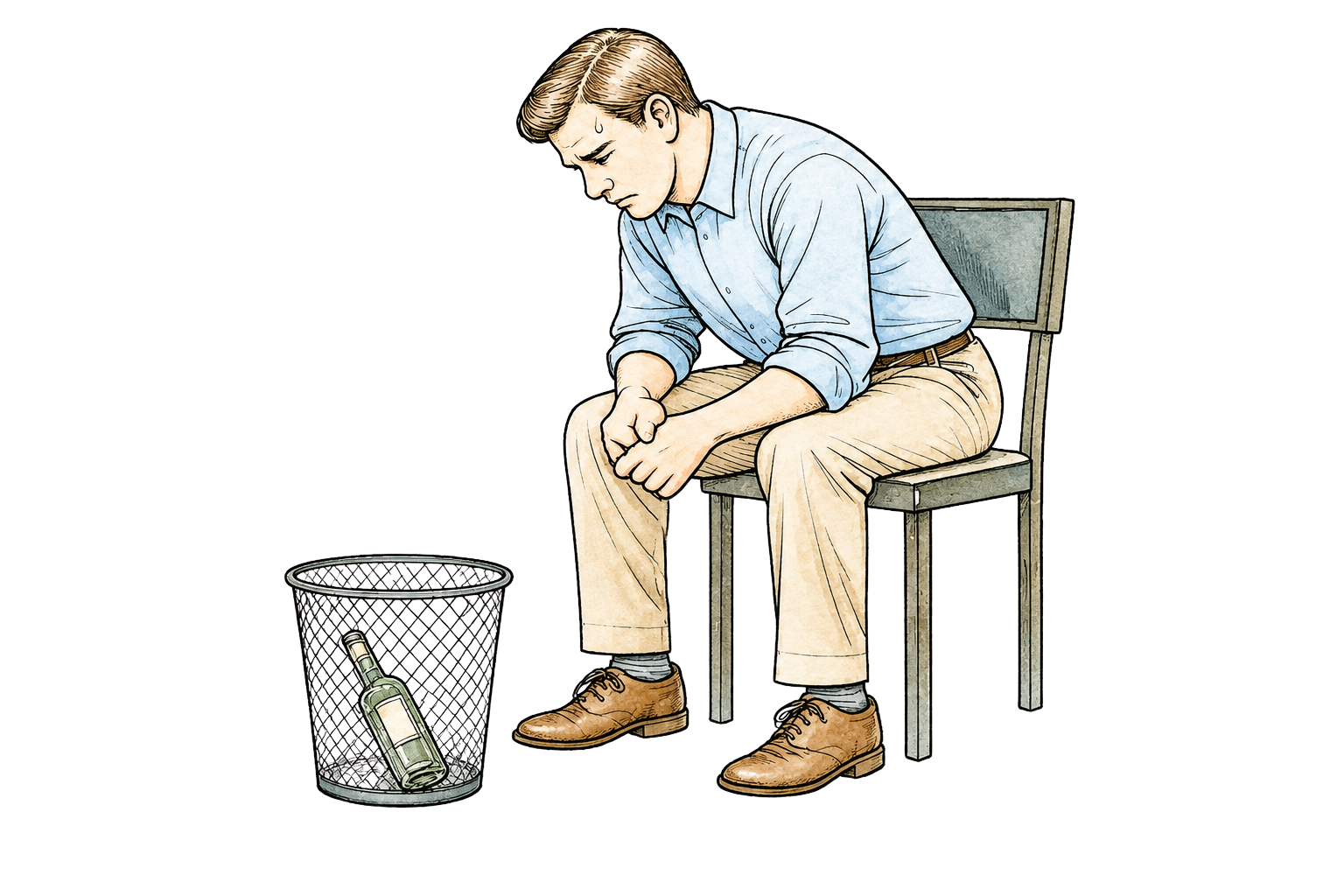
Here's how that plays out with the drinking example from earlier. A client says, "I know drinking is causing problems, but it helps me relax." An MI-consistent response doesn't insist the client stop. It explores both sides. Something like reflecting the ambivalence back, or asking an open-ended question about what relaxation means to them, keeps the client talking and moving toward their own insight.
Why This Keeps Showing Up on the Exam
MI questions are designed to test whether you understand that motivation is something you draw out of a client, not something you install. If you see a question stem where the "helpful" answer choice sounds like advice-giving, correcting, or pushing the client toward action before they're ready, that's the wrong answer almost every time.
The pattern to watch for is simple. Ambivalence gets explored, not resolved by you. Resistance gets rolled with, not challenged. And the stage of change tells you what kind of conversation the client is ready to have.
Want the full breakdown of the Transtheoretical Model, SBIRT, and the screening tools that pair with these concepts on the boards? That's all covered in The PMHNP Playbook.
Prefer digital? Buy the PDF edition
