Informed Consent and Capacity: What You're Actually Being Tested On

By Aislinn Ozawa Burns, MSN, PMHNP-BC
Informed consent is what you have to do before treating someone. Capacity is whether the patient can actually take part in that process. The ANCC exam loves testing the gap between the two, so let's keep this simple.
Informed Consent
Informed consent means the client understands the treatment before they accept or refuse it.
You're responsible for explaining:
Why the treatment is recommended
Risks or side effects to expect
Alternatives to the treatment
What happens if the client declines
The decision has to be voluntary. No pressure, no coercion.
Implied Consent
Implied consent happens when a patient's actions show agreement, even without a verbal or written yes. A patient who rolls up their sleeve for an injection is giving implied consent.

Still document it. No signature doesn't mean no record.
Capacity
Capacity is the ability to understand information and make a treatment decision. It's a clinical judgment, and you're the one who makes it.
Capacity can change. Intoxication, delirium, and psychosis can all impair it.

A patient might lack capacity during a psychotic episode and regain it once stabilized. You're assessing the moment, not assigning a permanent label. Signs of impaired capacity often show up during the mental status exam, so a thorough MSE is one of your best tools for catching it.

Board tip: Rennie v. Klein established that involuntarily committed patients can refuse psychotropic medication unless they are found legally incompetent or there is immediate risk of harm. Involuntary commitment does not automatically mean forced medication.
Capacity vs Competency
This distinction gets tested often, and it's easy once you separate the two.
Capacity: clinical judgment, made by the provider
Competency: legal determination, made by a court
Adults are presumed competent unless a court says otherwise, even if their reasoning sounds irrational to you. A patient with schizophrenia who refuses medication because he believes it's poison is still legally competent without a court ruling.
Unwise is not the same as incapable. Incapable is not the same as incompetent.
The Two Work Together
Informed consent only means something if the patient has the capacity to receive it. You can explain risks and alternatives perfectly, but if intoxication, delirium, or psychosis is blocking the patient from processing that information, you haven't obtained real consent.
When you hit a board question about a patient's right to accept or refuse treatment, check both. Was the consent informed. Does the patient have the capacity to use it.
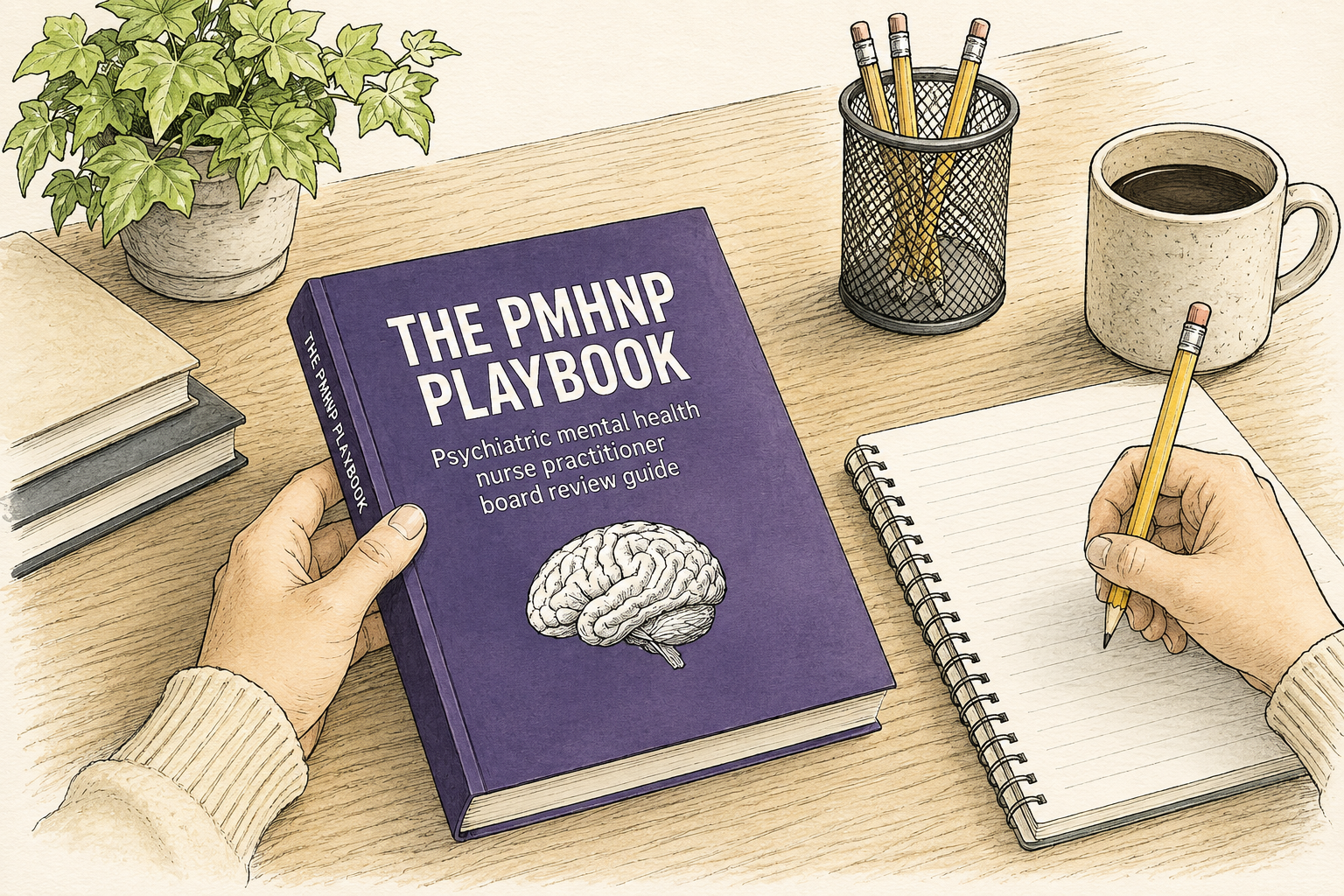
Want the full breakdown of patient rights, including the right to refuse treatment, confidentiality protections under HIPAA and 42 CFR Part 2, and least restrictive care? That's all covered in The PMHNP Playbook.
Prefer digital? Buy the PDF edition
